Air Conditioners
Cooling That Survives Hot, Humid Summers

Air Conditioners in Grand Rapids for properties with systems that no longer maintain consistent indoor temperatures
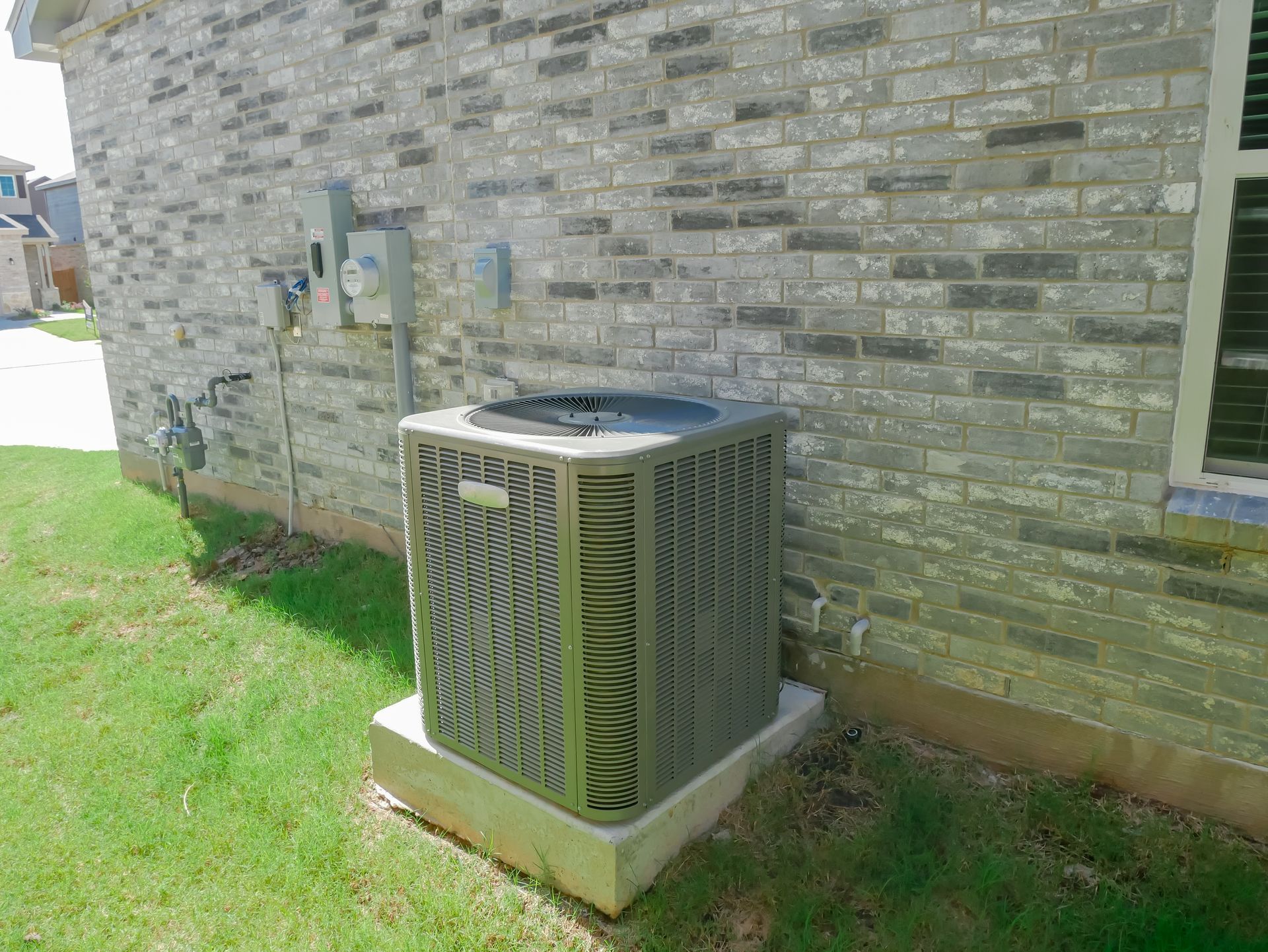
Air conditioning systems operating beyond their design lifespan lose refrigerant charge, develop compressor wear, and consume increasing amounts of electricity while delivering diminishing cooling capacity. Gold Star Mechanical replaces residential and commercial air conditioning equipment when repairs no longer restore acceptable performance or when component failures make continued operation uneconomical. You face replacement decisions when outdoor units fail during peak cooling season, indoor coils leak refrigerant, or monthly utility bills increase without corresponding changes in usage patterns.
Replacement installations address both indoor and outdoor components, ensuring matched system operation that meets manufacturer specifications for efficiency ratings and warranty coverage. Proper equipment sizing prevents the short-cycling that occurs with oversized units and eliminates the inability to dehumidify that undersized systems produce. Installations include upgrades to refrigerant lines, electrical disconnects, condensate drainage, and thermostat controls.
Schedule a cooling system evaluation to determine equipment condition and replacement specifications.
How Air Conditioner Replacement Addresses Performance Issues
Replacement eliminates the efficiency losses that develop as compressors wear, coils accumulate internal deposits, and refrigerant circuits develop micro-leaks that slowly degrade charge levels. New systems incorporate variable-speed compressor technology that adjusts output to match cooling load rather than cycling on and off at fixed capacity, which improves humidity removal and reduces temperature fluctuations between cycles.
Once installation completes, indoor temperatures stabilize within the thermostat setpoint range without the two to three degree swings that aged equipment produces, and humidity levels decrease to more comfortable ranges as the system runs longer cycles at lower speeds. Energy consumption drops measurably during the first cooling season, with the difference most noticeable during extended heat waves when old equipment would run continuously without achieving setpoint. Smart thermostat integration provides usage data and allows schedule adjustments from mobile devices.
Replacement work includes environmentally responsible disposal of old equipment with proper refrigerant recovery, modification of electrical circuits if new equipment requires different voltage or amperage specifications, and testing of airflow across indoor coils to verify duct system compatibility. Manufacturer warranties cover compressor and component failures according to registration terms.
Answers to Frequent Service Questions
Equipment replacement involves decisions about efficiency levels, system features, and installation requirements that affect long-term performance.
What efficiency improvements do modern air conditioners provide compared to older units?
Current equipment achieves SEER ratings between sixteen and twenty compared to ten to twelve for systems installed fifteen years ago, which represents a forty to fifty percent reduction in electricity consumption for equivalent cooling output, with the difference compounding across years of operation.
How does proper sizing affect air conditioner performance and comfort?
Correctly sized equipment runs longer cycles that remove humidity effectively and maintain consistent temperatures, while oversized units cool spaces quickly but shut off before adequate dehumidification occurs, leaving indoor air clammy even though temperatures reach setpoint values.
What installation work does air conditioner replacement require?
Replacement involves disconnecting refrigerant lines using recovery equipment to capture existing charge, removing indoor and outdoor units, installing new equipment with proper clearances and mounting, running new refrigerant lines if existing lines show corrosion or contamination, and pressure testing the complete system before charging with fresh refrigerant to manufacturer specifications.
Why do some air conditioner replacements in Grand Rapids include duct modifications?
Aging duct systems often leak conditioned air into attic spaces or wall cavities, which forces equipment to run longer cycles to compensate for losses, and undersized return ducts restrict airflow across indoor coils which reduces capacity and can cause coil freezing during operation.
When should property owners consider upgrading to smart thermostat controls during replacement?
Smart thermostats provide detailed energy usage data, allow remote temperature adjustments, and learn occupancy patterns to optimize cooling schedules, with the most value realized in properties with variable occupancy or where monitoring multiple zones independently improves comfort and reduces waste.
Gold Star Mechanical performs load calculations and system assessments before recommending replacement equipment. Arrange an on-site consultation to review cooling capacity requirements and equipment options for your property.