
Mini-Splits and Ductless Systems
Zone Control Without Ductwork Installation

Mini-splits and ductless systems in Grand Rapids for additions, garages, and spaces without existing duct access
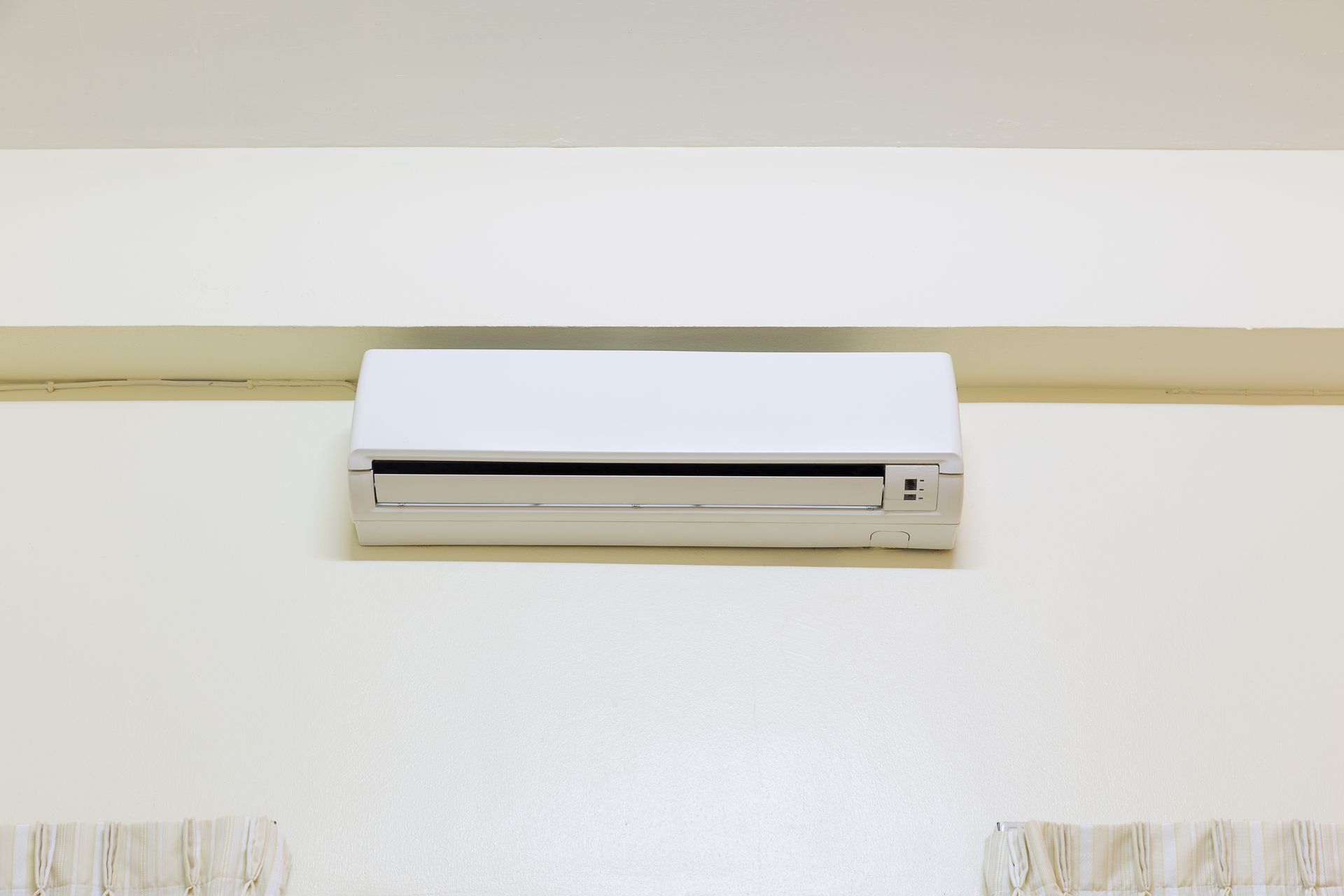
Ductless mini-split systems provide heating and cooling to individual rooms or zones without requiring sheet metal ductwork installation that involves cutting ceiling joists, framing chases through finished spaces, or reducing room dimensions with bulkheads. Each indoor unit connects to an outdoor condensing unit through refrigerant lines and control wiring that pass through a three-inch penetration in the exterior wall, allowing installation in finished spaces where duct routing proves impractical or prohibitively expensive. Gold Star Mechanical replaces aging ductless equipment that no longer maintains setpoint temperatures or operates efficiently, and installs new systems in renovated basements, converted garages, home offices, and room additions where extending central HVAC ductwork exceeds reasonable costs.
Multi-zone configurations connect up to eight indoor units to a single outdoor condenser, with each zone controlled independently to accommodate different occupancy patterns and temperature preferences throughout the building. Installation involves mounting wall cassettes, ceiling recessed units, or floor consoles in treated spaces, running linesets through walls or attic spaces to outdoor equipment locations, and configuring controls for coordinated operation that prevents simultaneous heating and cooling conflicts between zones.
Arrange an on-site evaluation to determine zone requirements and equipment specifications for spaces without duct access.
The Difference Between Ducted and Ductless Performance
Ductless systems eliminate the fifteen to thirty percent energy losses that occur in typical residential duct systems through air leakage at joints and thermal transfer through sheet metal surfaces running through unconditioned attic spaces. Inverter-driven compressors modulate capacity continuously rather than cycling on and off, which reduces temperature swings and improves humidity control during cooling operation. Individual zone control prevents conditioning unused spaces, reducing operating costs in homes where occupancy concentrates in specific areas during different times of day.
After installation, previously uncomfortable spaces reach target temperatures within minutes rather than lagging behind conditioned areas as occurred when relying on passive air transfer through doorways. Energy consumption for heating those spaces during Grand Rapids winters decreases compared to electric baseboard or space heater operation that previously provided inadequate comfort. Remote controls and smartphone apps allow temperature adjustments without accessing wall thermostats, and programmable schedules reduce runtime during unoccupied periods.
Maintenance involves cleaning washable filters monthly during heavy use periods and having refrigerant charge verified annually to detect minor leaks before performance degrades noticeably. Advanced filtration captures particles more effectively than standard forced-air system filters, improving air quality in treated spaces. Equipment lifespan typically reaches fifteen years with proper maintenance, comparable to conventional split systems but without ductwork deterioration concerns that affect ducted installations.
What Property Owners Usually Ask
Ductless system decisions involve understanding capacity requirements, installation constraints, and performance characteristics that differ from traditional HVAC configurations.
What spaces benefit most from ductless mini-split installation rather than duct extensions?
Finished basements where ceiling height limits bulkhead construction, converted garages separated from main ductwork by fire-rated walls, home additions built after original HVAC installation, and sunrooms with high glass area that create load conditions exceeding central system capacity work well with independent ductless zones.
How does heating performance compare between ductless systems and furnace-based forced air during Grand Rapids winters?
Modern cold-climate mini-splits maintain full heating capacity at outdoor temperatures down to negative thirteen degrees Fahrenheit using enhanced vapor injection technology, providing reliable heat throughout typical winter conditions, though backup heat sources remain advisable during extended extreme cold periods below negative fifteen degrees.
Why do multi-zone ductless systems cost less than running ductwork to multiple rooms?
Ductwork installation requires framing chases, installing insulated sheet metal through conditioned spaces, cutting and patching ceilings and walls, and often reducing room dimensions with bulkheads, while ductless installation involves only small wall penetrations and surface-mounted refrigerant lines that complete in days rather than weeks of construction.
What maintenance requirements do ductless systems involve compared to ducted equipment?
Indoor units have washable filters requiring monthly cleaning during peak use rather than disposable filters changed quarterly, and annual service includes cleaning coils and checking refrigerant charge, similar to conventional systems but without duct cleaning needs that arise from accumulated debris in sheet metal ductwork.
When should property owners consider ductless replacement rather than repair?
Systems beyond ten years with compressor failures or refrigerant leaks in outdoor units typically warrant replacement because repair costs approach new equipment prices, and efficiency improvements in current models reduce operating costs enough to justify upgrading even when repairs remain technically possible.
Gold Star Mechanical calculates heating and cooling loads for spaces under consideration and designs ductless configurations that match capacity to demand. Request a consultation to review ductless options for rooms without adequate conditioning from existing HVAC equipment.