Boilers and Water Heaters
Systems Built to Handle Michigan Winters

Boilers and Water Heaters in Grand Rapids for homes with aging equipment that no longer heat efficiently
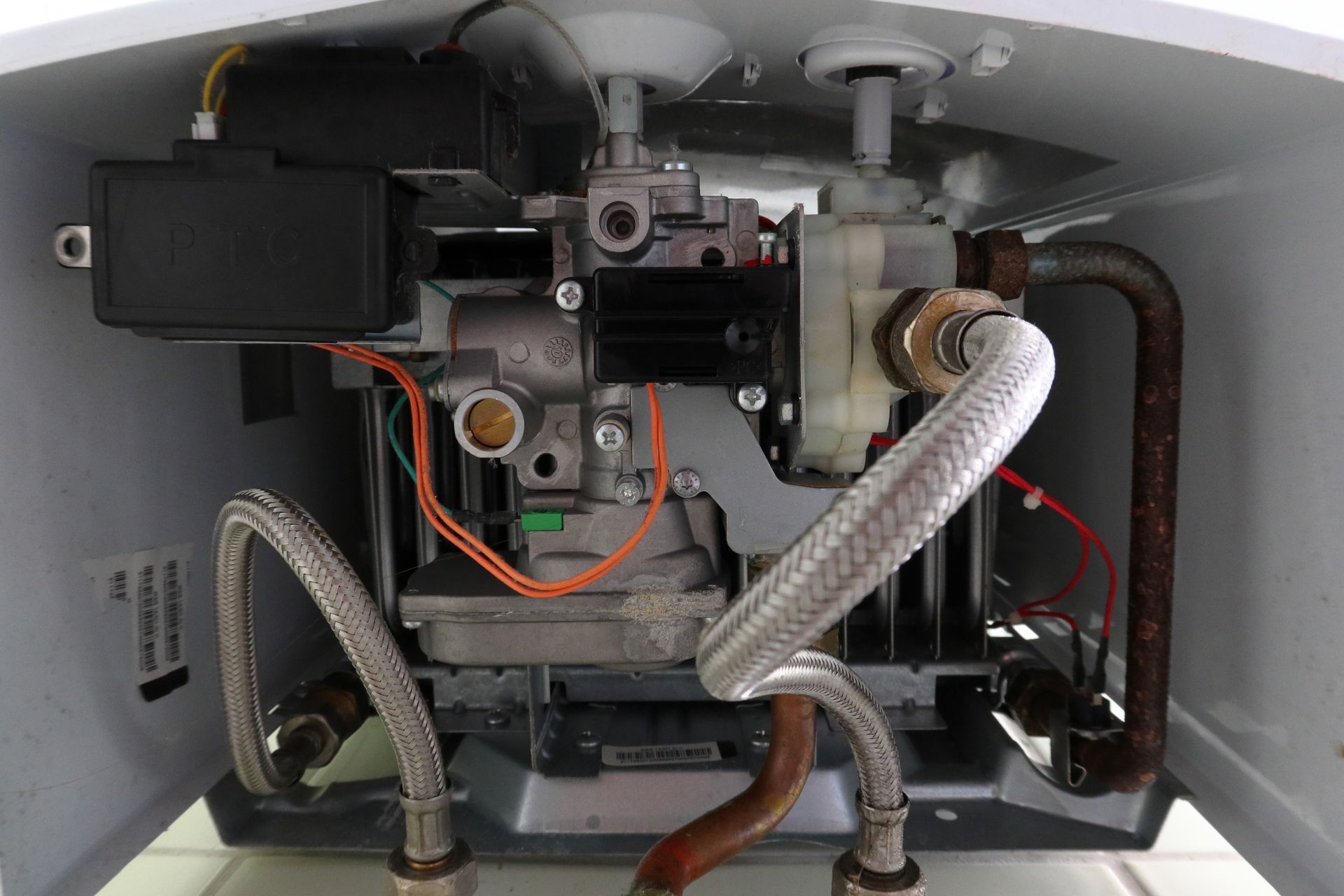
Grand Rapids winters demand heating equipment capable of sustained performance through months of subfreezing temperatures and fluctuating demand cycles. Gold Star Mechanical replaces boilers and water heaters that have reached the end of their functional lifespan, restoring reliable hot water and space heating to residential and commercial properties. Replacement becomes necessary when systems leak, cycle excessively, or fail to maintain consistent output despite repeated repairs.
Boiler replacement involves proper sizing calculations based on the building's actual heat loss characteristics, ensuring the new equipment matches demand without oversizing that drives up operating costs. Water heater replacement addresses both traditional tank systems and tankless configurations, with selection depending on recovery rate requirements and available fuel sources. Each installation includes upgrades to venting, gas connections, electrical circuits, and safety controls that meet current code standards.
Request an equipment evaluation to determine sizing requirements and replacement options for your property.
What Proper Sizing Requires
Sizing calculations account for square footage, insulation levels, window area, and design temperatures specific to the Grand Rapids climate zone. Oversized boilers short-cycle and waste fuel, while undersized units run continuously without reaching setpoint temperatures. Water heater capacity depends on simultaneous fixture usage patterns, with tankless systems requiring sufficient gas line capacity to support peak demand bursts that tank systems handle through stored volume.
After installation, you notice hot water arrives faster, space heating reaches temperature without extended run times, and monthly fuel consumption decreases compared to the old equipment's performance. Modern boilers include modulating burners that adjust output to match load, eliminating the temperature swings that older single-stage units produce. Control upgrades provide programmable scheduling and remote monitoring capabilities that were unavailable with legacy thermostats.
Installation includes removal and disposal of existing equipment, modification of piping and venting systems as needed, and testing of all safety interlocks before startup. Manufacturer warranties cover component failures for specified periods, with registration completed at the time of commissioning to activate coverage terms.
What Property Owners Usually Ask
Replacement questions often focus on equipment selection, timing considerations, and performance expectations for new systems.
What determines whether a boiler or water heater needs replacement rather than repair?
Systems nearing fifteen years of age with frequent component failures, visible corrosion, or declining efficiency typically cost more to maintain than replace, particularly when repair parts become scarce or heat exchangers develop leaks that cannot be economically fixed.
How does high-efficiency equipment reduce energy costs compared to older systems?
Modern condensing boilers extract additional heat from combustion gases that older atmospheric units vent outdoors, achieving efficiency ratings above ninety percent compared to sixty to seventy percent for legacy equipment, which translates to measurable reductions in fuel consumption across heating seasons.
What installation work does boiler replacement involve?
Replacement includes disconnecting and removing the existing unit, modifying venting to accommodate condensing exhaust requirements, upgrading gas piping if necessary to support higher input rates, installing new circulator pumps and expansion tanks, and configuring controls for zoned heating if the system design includes multiple temperature zones.
Why does proper water heater sizing matter for performance?
Undersized water heaters run out of hot water during peak usage periods, while oversized tanks maintain unused heated water that increases standby losses, with sizing calculations based on fixture count, occupancy patterns, and recovery time requirements that vary between residential and commercial applications.
When should property owners schedule heating equipment replacement in Grand Rapids?
Replacement performed during spring or fall months avoids winter emergency situations and allows flexibility in scheduling, though failed equipment during heating season requires immediate replacement regardless of timing preferences to restore essential heating and hot water service.
Gold Star Mechanical provides detailed equipment comparisons and installation timelines during the assessment process. Contact our team to review replacement options based on your current system condition and performance requirements.